
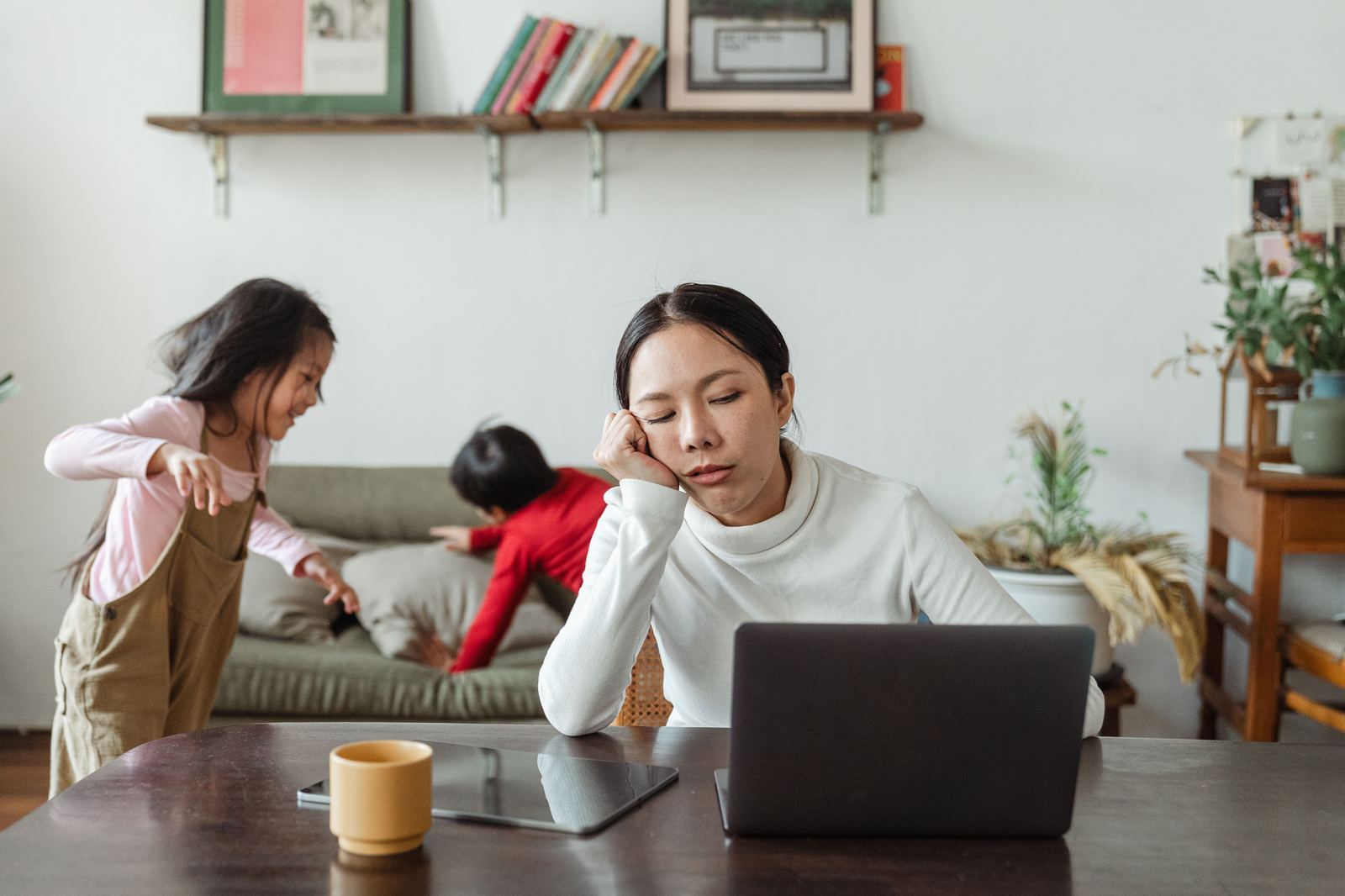
In baby sleep care, there's a lot of talk about how to help them sleep better, and much less about how parents' own sleep deprivation is itself a real health issue — not just a temporary discomfort to endure quietly.
The reality of sleep deprivation in the early months
In a baby's first months, it's common for parents to sleep in a fragmented way for weeks or months in a row. This kind of chronic sleep deprivation, even when the total hours look sufficient on paper, has a real, measurable impact on energy, mood, and concentration.
The real effects on body and mind
Prolonged sleep deprivation is associated with increased risk of anxiety and low mood in new parents, plus concrete physical effects like a weakened immune system and slower reaction times. Recognizing these effects as real, not as "weakness," is the first step to addressing them.
The value of daytime micro-naps
Even short 20-30 minute rest periods during the day, when the baby sleeps, have a measurable effect on energy recovery — often more effective than expected, even though they don't replace continuous nighttime sleep.