
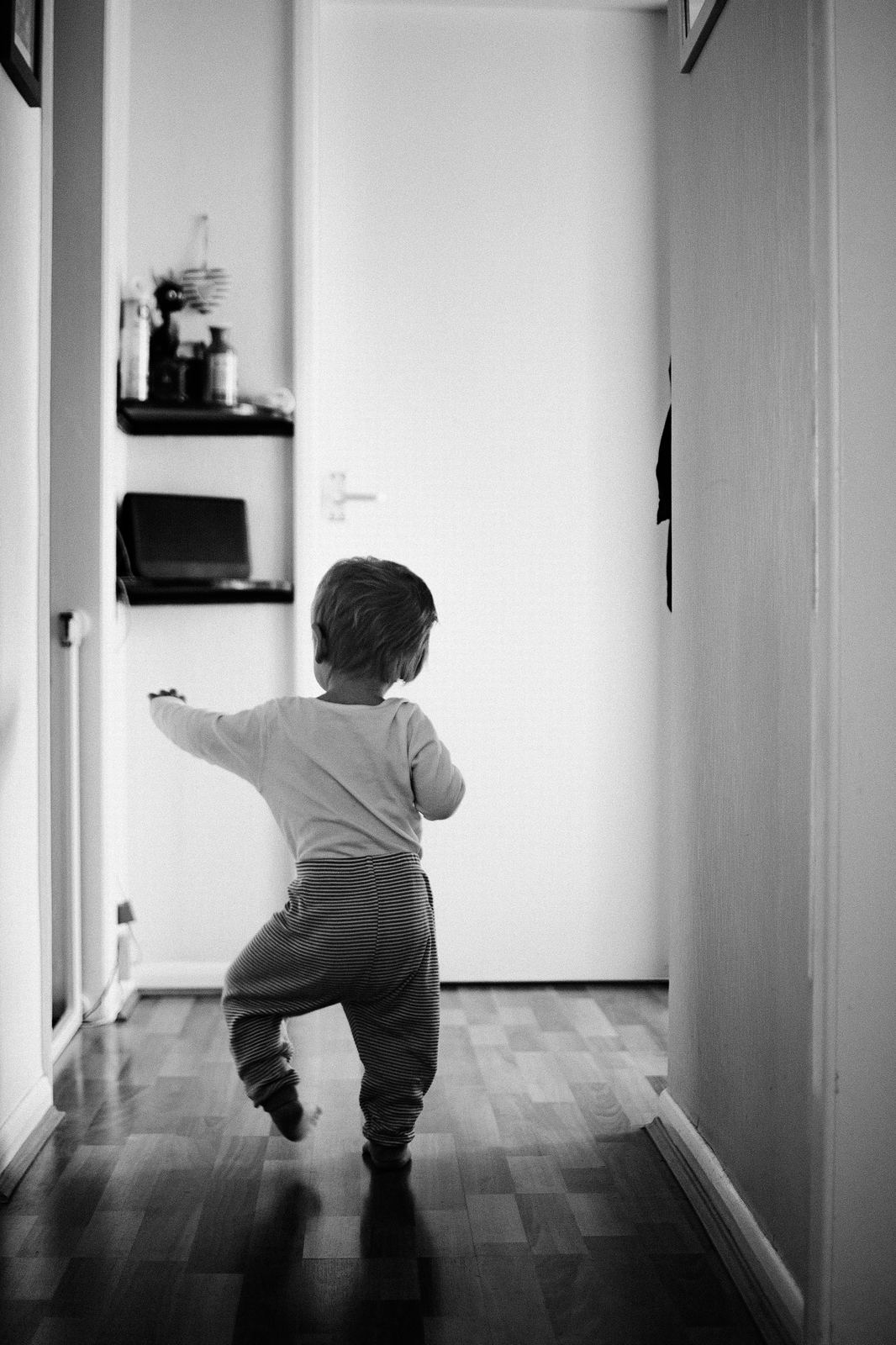
Watching a child get out of bed with open eyes, walk around the house, or speak in a confused way while still asleep is startling for many parents the first time. Sleepwalking is actually a common childhood phenomenon, almost always harmless, and in most cases disappears on its own with growth.
What sleepwalking is
Sleepwalking belongs to the same family as night terrors: both are "parasomnia" episodes that occur during deep sleep, typically in the first part of the night. The child isn't conscious during the episode, and almost never remembers it in the morning.
Why it happens more often in children
Sleepwalking is linked to an immaturity in the system that regulates transitions between sleep stages, which is why it's much more common in children than adults. Excessive tiredness, fever, or a change in routine can temporarily increase how often episodes happen.
How to react safely during an episode
The most important advice is: don't wake them abruptly. Waking a child mid-episode can cause more confusion and agitation than simply letting the episode conclude. It's more effective to calmly and gently guide them back to bed, speaking in a low voice, without trying to "reason" with them in that moment.