
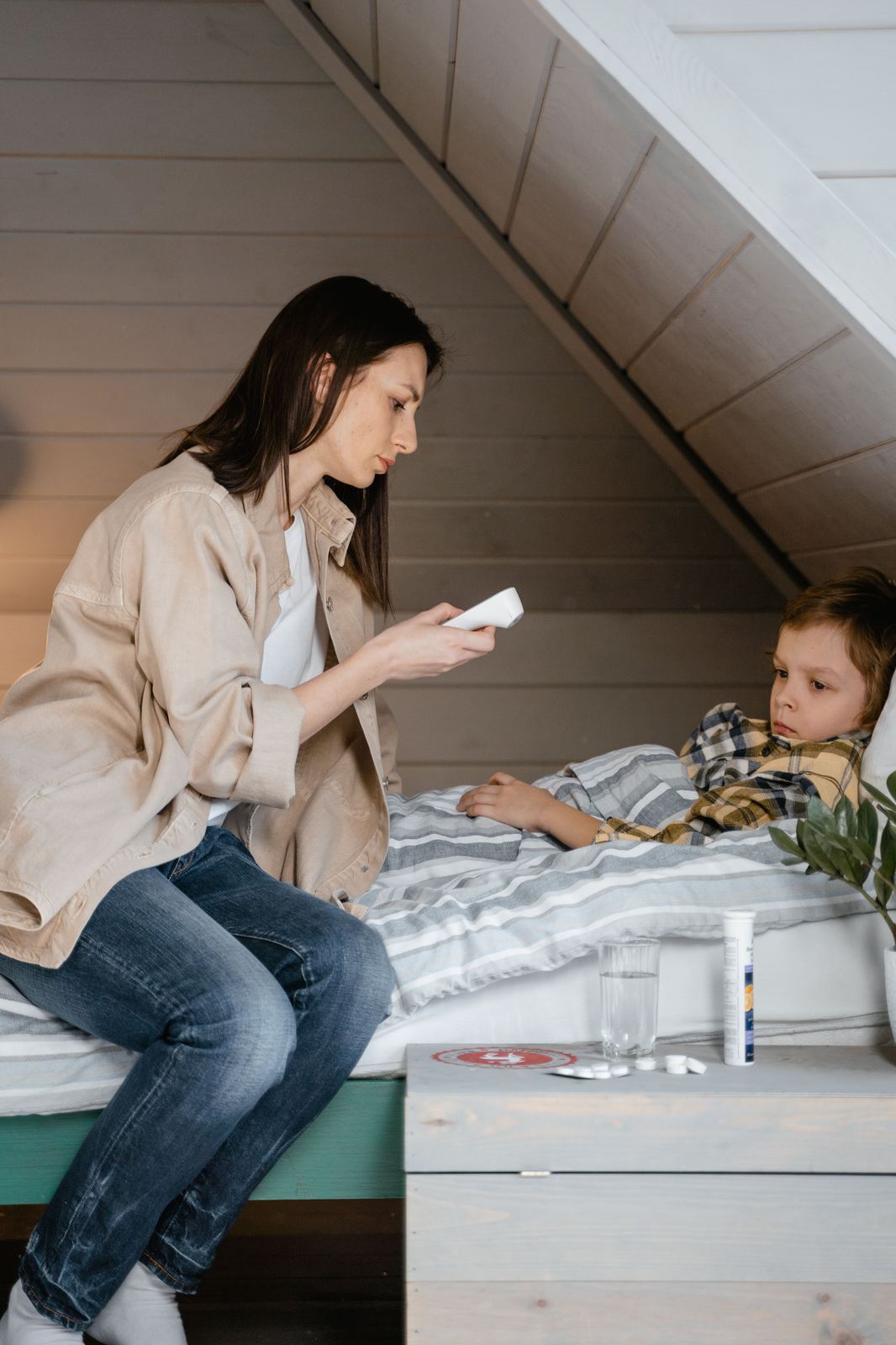
Facing particularly hard nights, many parents hear about melatonin supplements for children and wonder if they could be a safe solution. It's a sensitive topic, where it's important to distinguish between general information and a decision that should always go through a pediatrician.
What melatonin is
Melatonin is a hormone naturally produced by the body, which regulates the sleep-wake rhythm in response to light-dark cycles. Melatonin supplements contain a synthetic version of this hormone, available over the counter in many countries, but with very different regulations from country to country.
When it's considered in pediatric studies
In clinical studies, melatonin has been considered mainly for children with specific sleep difficulties tied to particular conditions (such as certain neurodevelopmental disorders), always under direct medical supervision — not as a generic solution for a child who simply struggles to fall asleep.
What general guidelines say
Major pediatric societies recommend caution: melatonin shouldn't be the first strategy for a sleep problem, and shouldn't be used without first ruling out and addressing the more common behavioral or environmental causes, together with a doctor's supervision.