
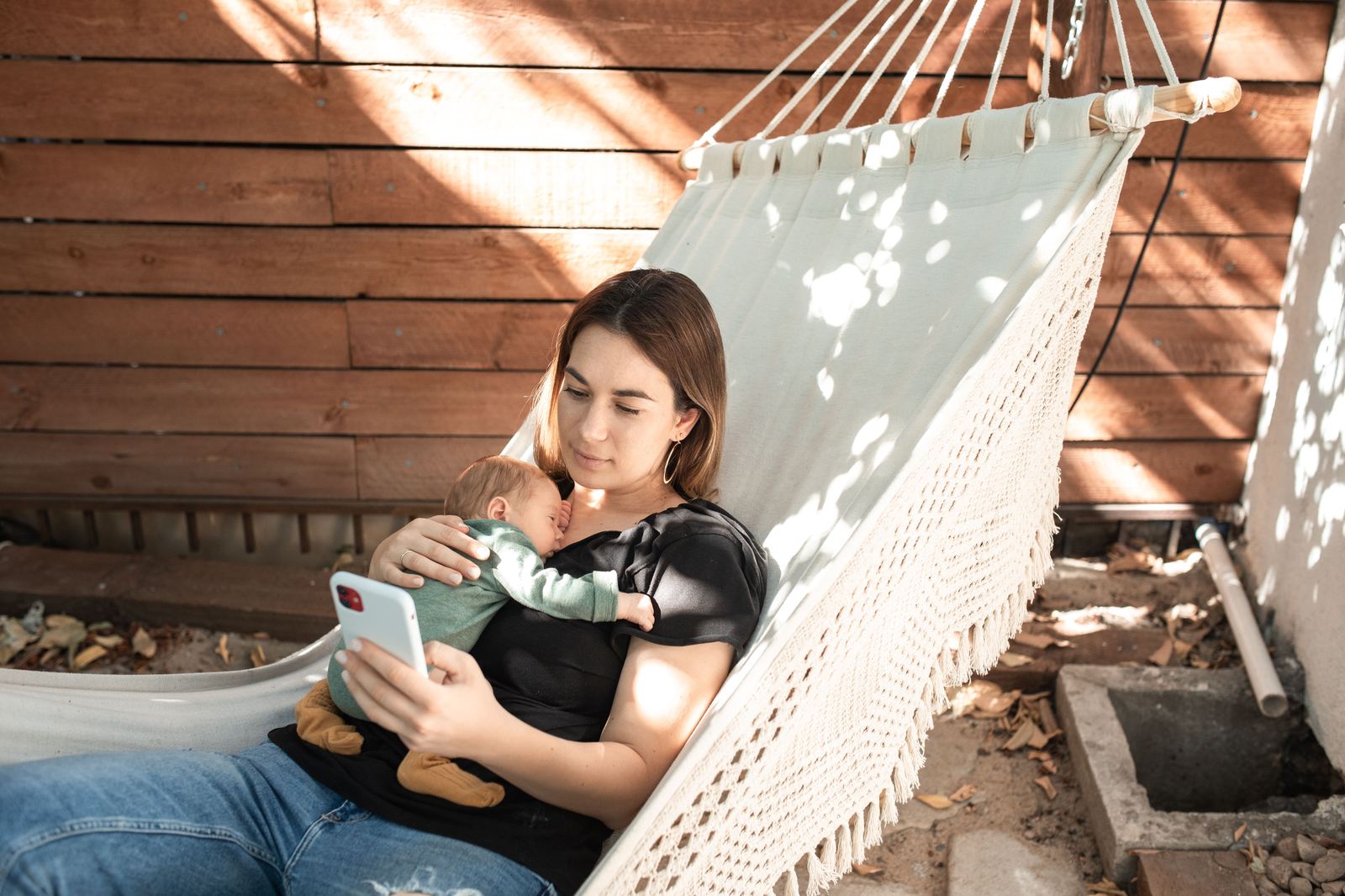
The market for baby sleep tracking apps and devices has grown enormously in recent years, promising detailed charts, pattern analysis, and even predictions about wakings. But do these tools actually help you sleep better, or do they risk becoming another source of anxiety for already-tired parents?
What these apps actually do
Most sleep tracking apps use movement (via a mattress sensor, a wearable band, or the phone's microphone/camera) to estimate when the baby is asleep, stirring, or awake. Some turn this data into "sleep quality" charts over time.
The real benefits
Used with the right expectations, these tools can help spot real patterns: for example, noticing the baby consistently wakes at the same time, or that overly late afternoon naps correlate with harder bedtimes. This kind of objective data can be useful for adjusting the routine.
The limits worth knowing
The accuracy of these devices varies a lot, and none of them replace a medical evaluation in case of real concerns (like sleep apnea). Also, "sleep quality" is a complex concept a single numerical score can rarely represent reliably.